Introduction
How to clean stainless steel pour over coffee filter is an essential skill for coffee enthusiasts who use manual brewing methods to achieve rich and flavorful coffee. Stainless steel pour over filters are popular because they are reusable, eco-friendly, and allow natural coffee oils to pass through, enhancing taste. However, due to their fine mesh structure, they easily trap coffee grounds and oil residues over time.
If not cleaned properly, the filter can become clogged, slow down water flow, and affect the overall flavor of your coffee. Regular maintenance is necessary to ensure consistent brewing performance and hygiene.
In this guide, you will learn simple and effective methods to clean stainless steel pour over coffee filters using household ingredients like vinegar, baking soda, and hot water.
Why cleaning pour over coffee filters is important
Pour over coffee filters are designed with ultra-fine mesh that easily traps oils and particles.
Benefits of regular cleaning:
- Maintains smooth water flow
- Improves coffee taste
- Prevents clogging
- Extends filter lifespan
- Removes odor buildup
How to clean stainless steel pour over coffee filter (Step-by-step)
✔ Step 1: Immediate rinse after use
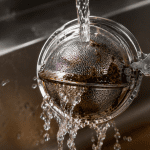
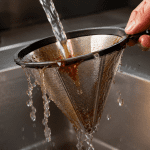
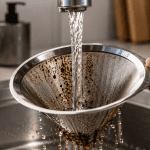
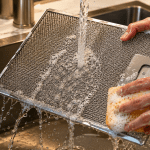
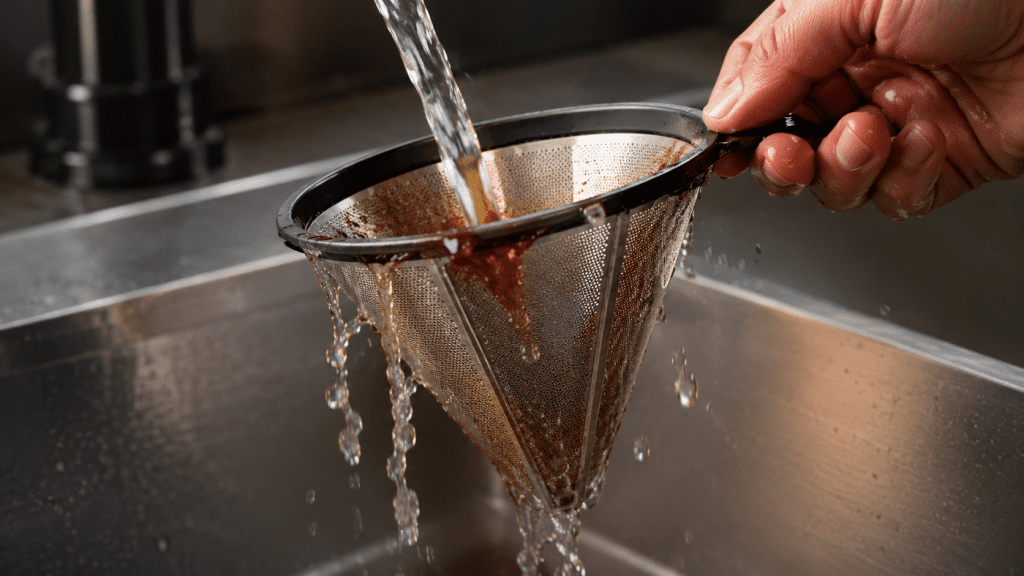
Rinse the filter under warm water right after brewing.
✔ Step 2: Dish soap soak
Soak in warm water mixed with mild dish soap for 10–15 minutes.
✔ Step 3: Gentle brushing
Use a soft toothbrush or nylon brush to clean mesh carefully.
✔ Step 4: Vinegar deep cleaning
For stubborn residue:
- Mix vinegar + hot water (1:2 ratio)
- Soak for 15–20 minutes
✔ Step 5: Final rinse
Rinse thoroughly to remove all cleaning agents.
✔ Step 6: Air dry completely
Dry fully before storing to avoid bacteria buildup.
Deep cleaning method for clogged filters
If the filter is heavily clogged:
🔥 Baking soda method:
- Add baking soda to warm water
- Soak for 20 minutes
- Gently scrub mesh
This helps remove coffee oil buildup effectively.
Common mistakes to avoid
- Using metal brushes
- Leaving coffee residue overnight
- Not rinsing immediately
- Using harsh chemicals
- Storing wet filter
How often should you clean it?
- After every use → quick rinse
- Daily use → light cleaning
- Weekly → deep vinegar cleaning
Maintenance tips for long-lasting filters
- Clean immediately after brewing
- Avoid abrasive scrubbers
- Always dry properly
- Do weekly deep cleaning
- Store in dry environment
Benefits of stainless steel pour over filters
- Reusable and eco-friendly
- Enhances coffee flavor
- Long lifespan
- Cost-effective alternative to paper filters
Conclusion
Knowing how to clean stainless steel pour over coffee filter properly is important for maintaining both coffee quality and filter performance. With simple methods like hot water rinsing, vinegar soaking, and gentle brushing, you can easily keep your filter clean and clog-free.
Regular maintenance ensures better coffee flavor, smooth brewing, and long-term durability of your equipment.
FAQ
1. How to clean stainless steel pour over coffee filter daily?
Rinse immediately with warm water after each use.
2. Can vinegar clean coffee oil buildup?
Yes, vinegar is very effective for removing coffee oils and stains.
3. Why does my pour over filter clog?
Because of fine coffee particles and oil buildup in the mesh.
4. How often should I deep clean it?
Once a week is recommended.
5. Can I use dishwasher for cleaning?
Yes, but hand cleaning is more effective.
6. What removes coffee smell?
Baking soda or vinegar soak works best.
7. Can metal brushes damage filter?
Yes, they can damage fine mesh structure.
8. How do I prevent clogging?
Rinse immediately after each brew.
9. Is stainless steel better than paper filters?
Yes, it is reusable and enhances coffee oils.
10. How should I store it?
Always store in a dry place after full drying.